Solo Exhibition: ZERO
Gaylord Fine Arts, Los Angeles, California
January 17th 2026 - February 16th 2026
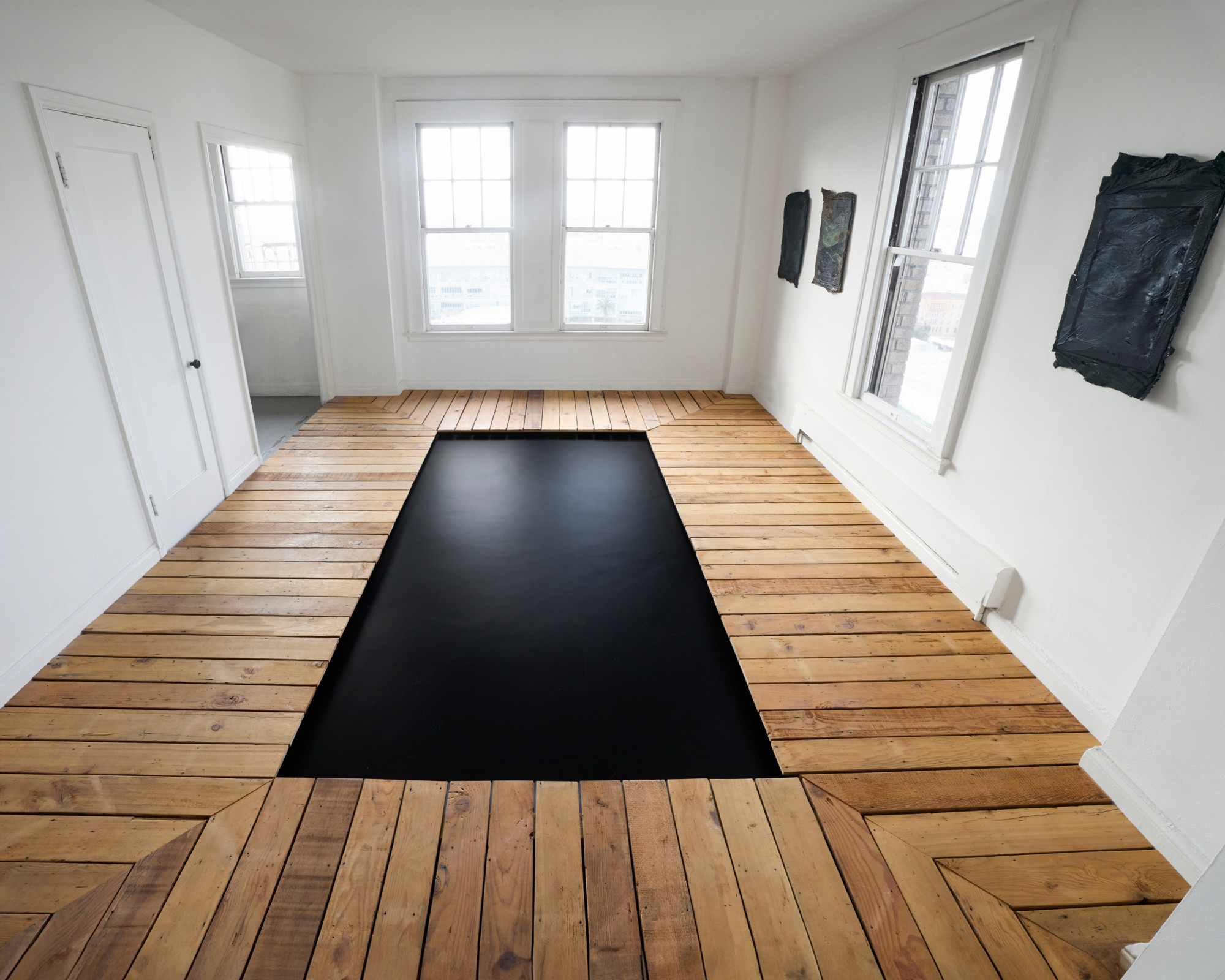
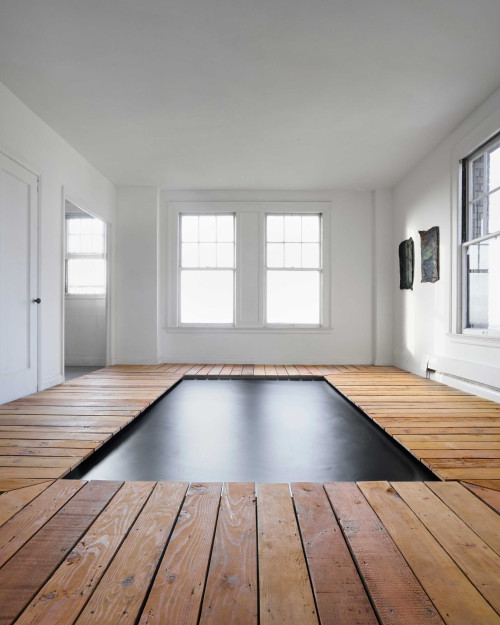
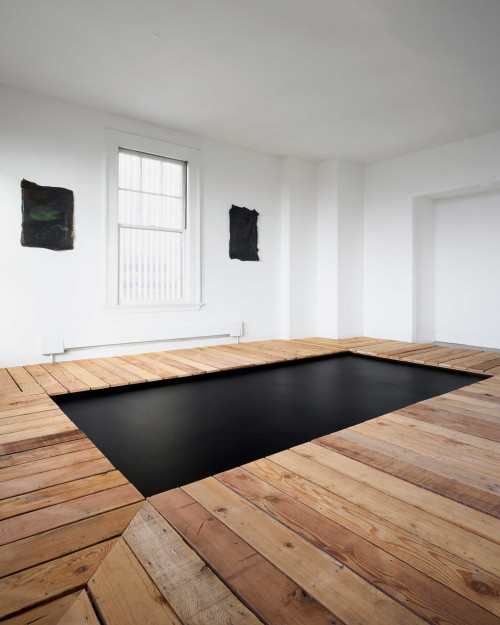
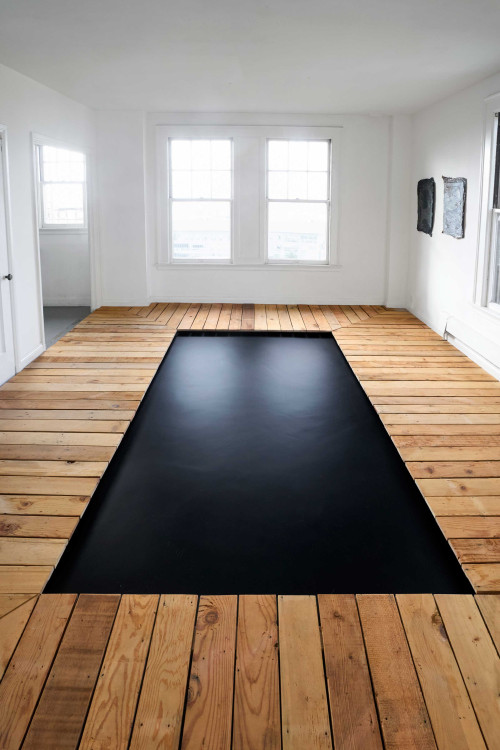
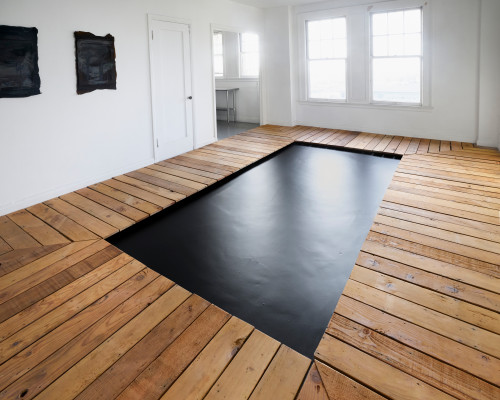
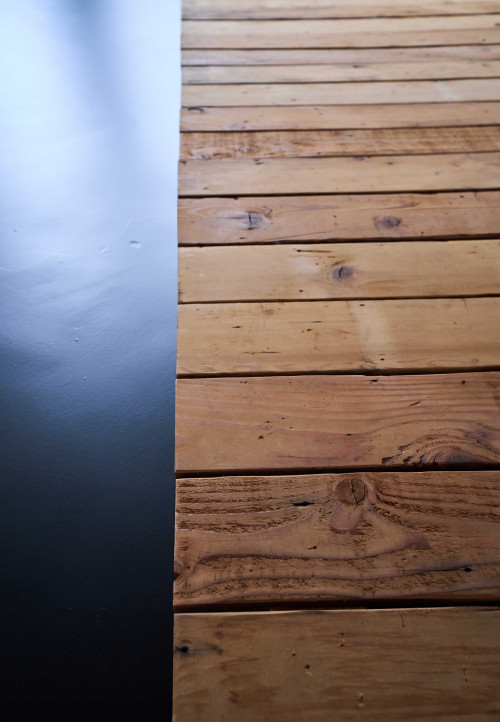
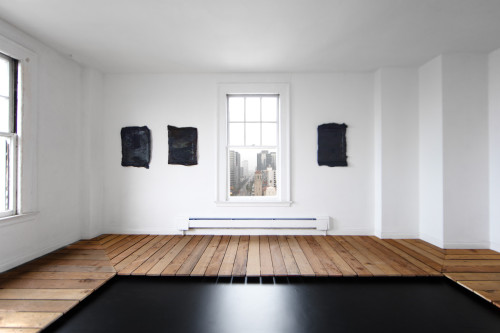
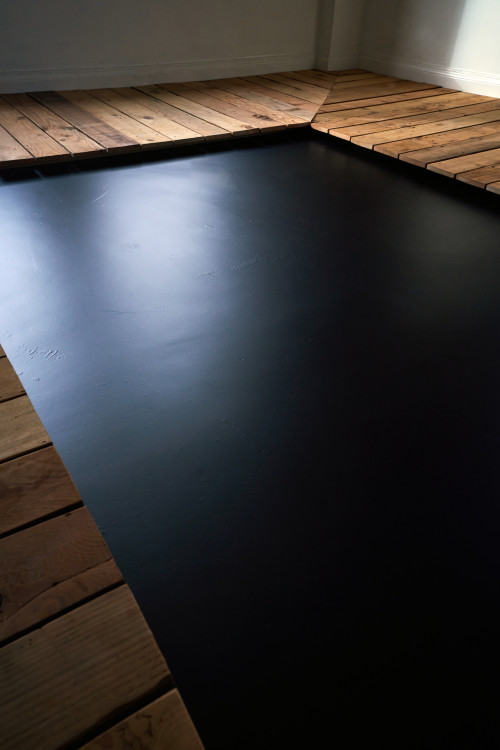
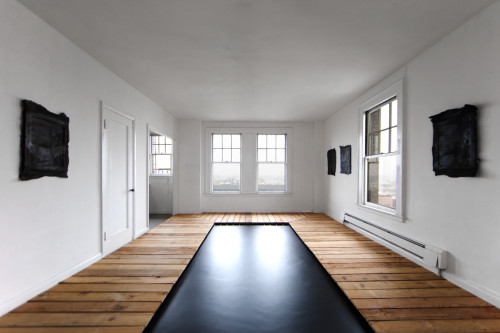
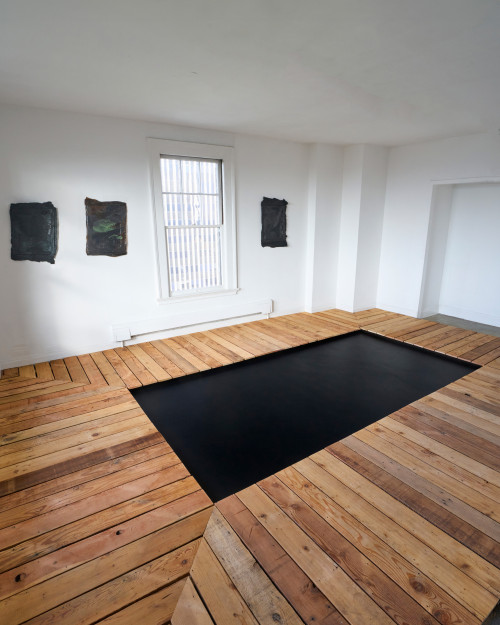
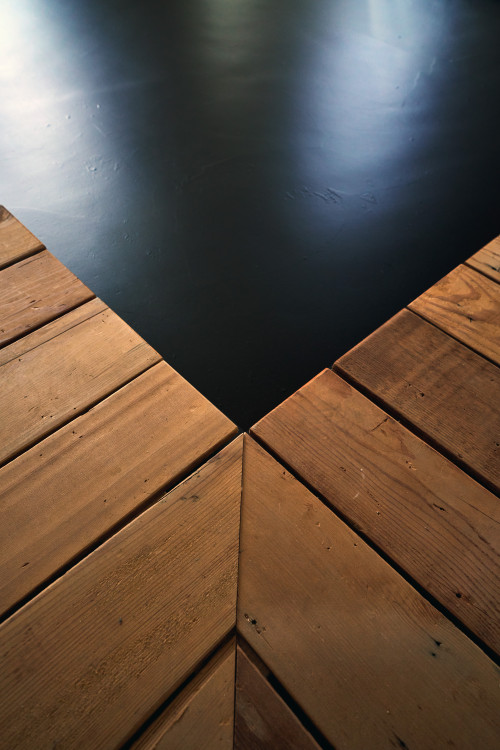
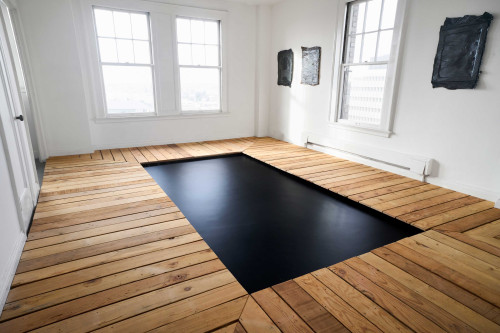
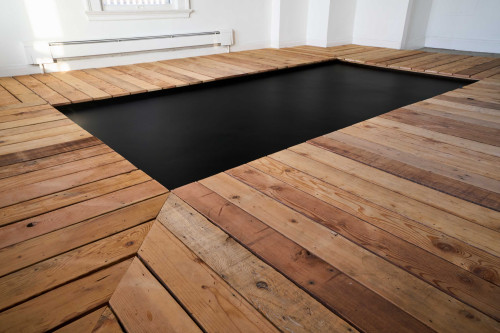
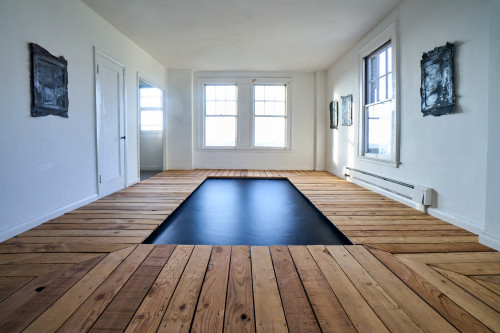
The floor installation is titled Void, material: salvaged wood.
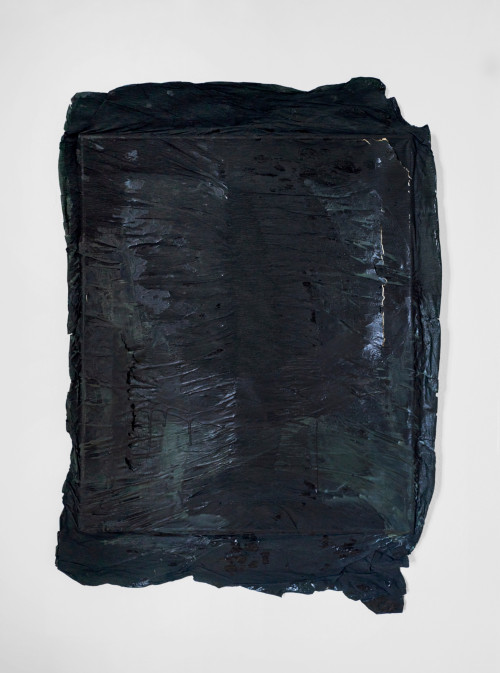
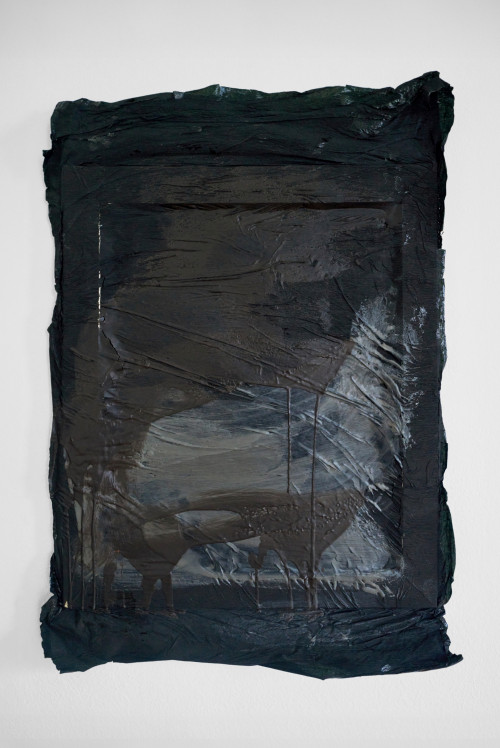
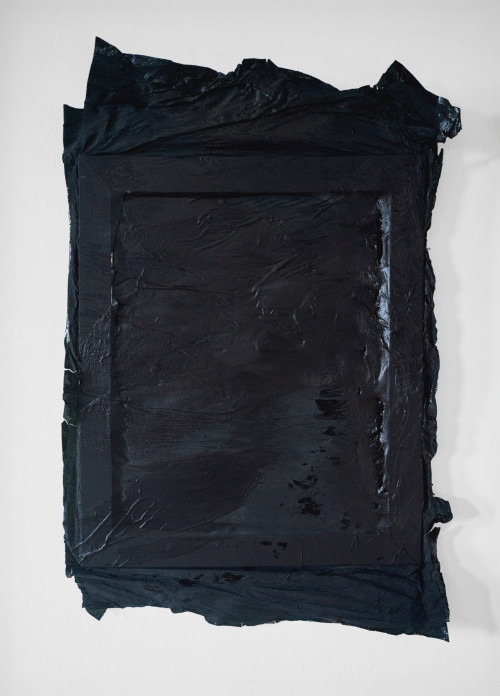
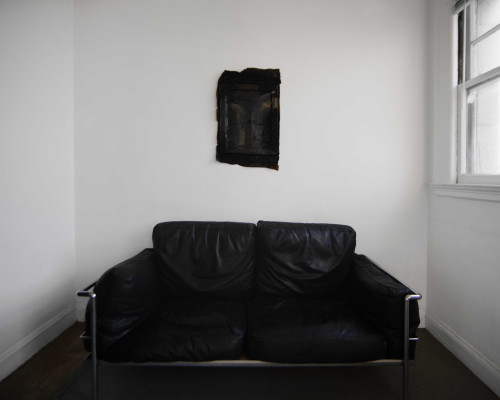
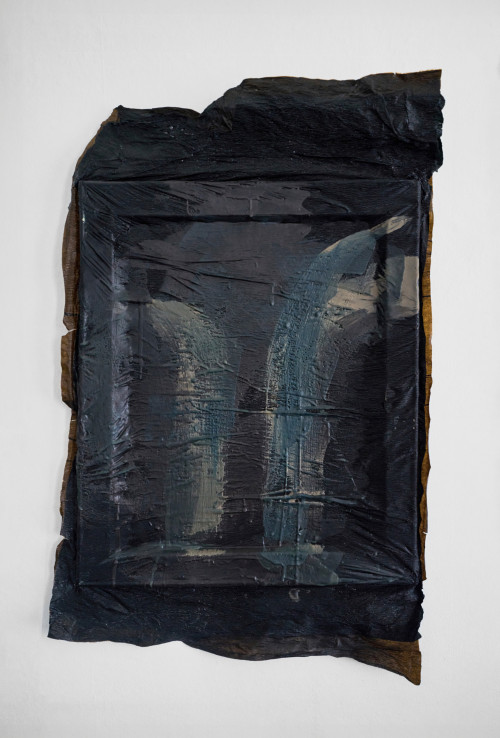
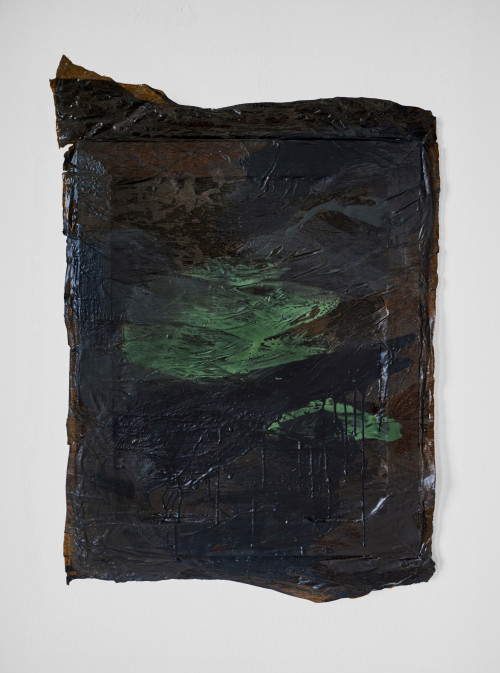
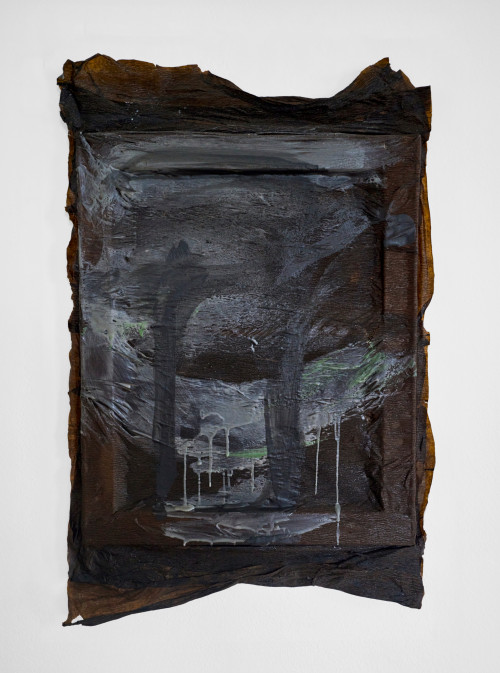
Wall works are individually titled and sized, material: mixed media on wood.
Zero consists of a site-specific floor installation and six wall works, each individually titled and sized, material: mixed media on wood. The Installation was built site-specifically for the Gaylord Fine Arts space. The floor, titled Void, is a custom rectangular pathway surrounding a black recessed area that presents a deep pit and a depressed platform embedded into the lifted floorboards filling the space, created from salvaged wood.
Press Release
Analisa Teachworth spoke to Stephanie LaCava on the occasion of Zero, opening January 17th, 2026 at Gaylord Fine Arts, Los Angeles.
Stephanie LaCava: I think we both share an awareness of certain hypersensitivities and intuition. Sometimes the spirit can move faster than logic.
Analisa Teachworth: At the same time, an impulse can be thrilling; it can also be dangerous. When I see this volatility—or closeness to being out of control—it’s exciting.
LaCava: I’m interested in making work by being out of control in a controlled way.
Teachworth: When you are forced to surrender to being in control and being out of control at the same time. My motivations usually start in that impulsive place where I just want my work to exist.
When I am painting, for example, I can control a canvas to be whatever I want it to be in the moment. Or I can sketch it out in my mind and follow it towards an end, which involves more patience.
I like to balance those forces. This requires stepping back towards an inward dialogue about what I’m trying to accomplish. The overruling pure impulse still often wins out. It’s a collage of both for me.
LaCava: Is there language at the beginning of the process?
Teachworth: I’m not sure that it ever becomes verbal or totally articulated through logic. My work is loosening up the parameters around reality, it’s more sensual and contains less of the confines of language.
LaCava: I think it would be corny to say that’s like writing fiction, but what I do think it can be aligned with is elision within a story, and your show is called “Zero.”
Teachworth: Zero is an initiation point, or a point of both action and inaction.
LaCava: The beginning; an origin story; a myth, even. I think both of us are interested in languages of antiquity and mythologies.
Teachworth: I am really into mythology, symbols, and tapping in. Connecting to my love for that is more of a psychic thing, and there’s a lineage there that is so full and ongoing. In contrast, it’s also kind of past tense, happened. Often, there’s so much energy reconfiguration that I try not to get too tied into and be present.
I am captured by the history and mythology of Ancient Egypt. It’s a passion due to my obsession with sculpture and transmutation of matter. The prowess of sculpture in Ancient Egypt was unparalleled: how they dominated scale and materials.
Even now, there are physical phenomena that can’t be figured out and are so closely connected to myth, language, and ceremony. But these really intricate things are lost today more than ever.
LaCava: I love the idea that maybe this work isn’t about performance, but about ceremony. Does that make sense?
Teachworth: I think that ceremony implies intention and rituality, because it has a collective shared memory, right?
LaCava: “Things falling apart to come back together,” was a phrasing you used when we spoke earlier. It also applies to ceremonial rites.
Teachworth: Reality rearrangement happens all the time. In that process, we are shredding ourselves down and rebuilding. The floor piece is also an example of that in a material sense, and the paintings, ...externalize my internal landscape.
The process of being totally broken down and then reestablished as something new feels like a rite, because there is a before and an after. This happens with language, within the self, and with relationships outside of ourselves.
LaCava: The marking of a transition—again, the reigning in and the unwieldy. This goes back to the first impulse in your process.
Teachworth: My process from the initial point—from zero—is just very intrinsic. I have a strong impulse that’s easy for me to follow.
There’s that impulsivity and desire, and then allowing desire to be really profound, even through discomfort. My creative behaviour is selfishly unhinged.
LaCava: What reigns it back to practicalities?
Teachworth: I think the world just reigns it in. That’s kind of what we all experience as humans, right?! When we are little, we have these great expectations, dreams, desires, and intuitions. All these things that we want to follow.
Then, the world is kind of like, NO, you can’t do this. You shouldn’t do that. Who are you? Who do you think you are?
LaCava: Outward logic moves slower than spirit.
- Video Installation
- Anthem of Flowers
- Tribute Pallet
- Plunge
- Birds
- Performance
- O V A
- Dependency Demographics
- Conjure Migration
- Projects
- relevant